Healthy habits learned during childhood can help establish routines that support wellbeing as children grow.
Nutritious meals should provide a variety of vegetables, fruits, whole grains, protein foods, and healthy fats rather than focusing on a single “superfood.”
Drinking water regularly is important for hydration, while adequate sleep supports learning, attention, mood, and normal development.
Children should also have opportunities for daily physical activity through sports, outdoor play, walking, cycling, dancing, or other enjoyable movement.
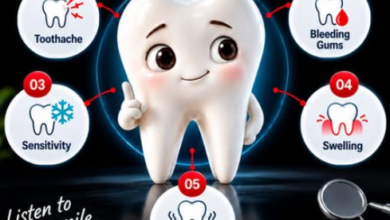
Brushing teeth twice daily with fluoride toothpaste and attending regular dental visits can help protect oral health.
Frequent handwashing with soap and water is another simple way to reduce the spread of many infections.
Recommended childhood vaccinations are an important part of preventive healthcare and help protect against several serious diseases.
Screen time should be balanced with physical activity, sleep, school responsibilities, hobbies, family interaction, and social activities.
Mental wellbeing deserves equal attention, so children should feel comfortable talking about worries, emotions, friendships, and challenges with trusted adults.
Outdoor time can provide opportunities for movement, play, and exposure to daylight, while vitamin D production depends specifically on appropriate sunlight exposure and other factors.
The goal is not perfection but consistency, flexibility, and creating a home environment where healthy choices are practical and enjoyable.