High blood pressure can harm your health without causing obvious symptoms. Are you checking yours regularly?
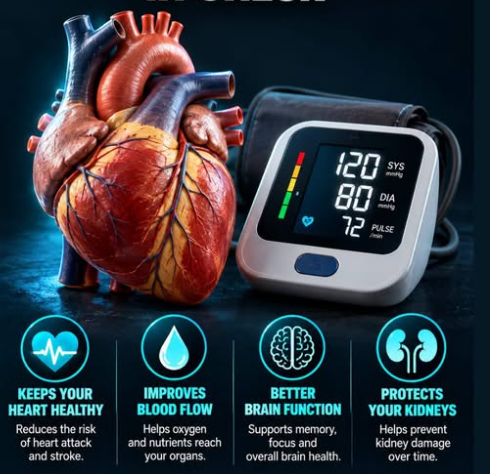
Blood pressure measures the force of blood against your artery walls. When it remains high over time, it can increase the risk of heart disease, stroke and kidney problems. Regular monitoring helps you understand your readings and identify changes that may need medical attention.
Healthy habits can make a difference. Eat a balanced diet with less excess salt, stay physically active, avoid tobacco, limit alcohol and maintain a healthy weight. If your blood pressure is high, follow your healthcare professional’s advice about monitoring and treatment.
A reading of 120/80 mmHg is commonly used as a reference point, but blood pressure categories and treatment goals depend on clinical guidelines and individual circumstances.